SEO Meta Title: How to Build Passive Income With Little Money
Meta Description: Discover practical ways to build passive income with little money in the USA. Explore dividend investing, savings accounts, digital products, and more.
URL Slug: passive-income-with-little-money
Focus Keyword: Passive income with little money
How to Build Passive Income With Little Money in 2026
Building passive income with little money is a goal for many Americans who want more financial flexibility. Whether you are a college student, full-time employee, freelancer, or small business owner, earning additional income may help you save for future goals and reduce financial pressure.
The good news is that you do not always need a large amount of money to get started. Some passive income ideas require a small initial investment, while others require more time and effort before they can generate revenue.
However, passive income is rarely completely effortless. Most methods require planning, maintenance, upfront work, financial risk, or a combination of these factors.
In this guide, you will learn about practical passive income ideas, how they work, and what to consider before choosing an approach.
What Is Passive Income?
Passive income generally refers to money earned with limited ongoing involvement after the initial work or investment. Examples may include interest from savings, dividends from investments, royalties from digital products, and rental income.
It differs from traditional employment because earnings may not depend directly on working a fixed number of hours each day.
For example, a person might create an educational ebook and sell copies through an online marketplace. The creator does the initial writing and publishing work, but the product may continue generating sales afterward.
That does not mean the income is guaranteed. The creator may need to update the ebook, respond to customers, or promote the product to maintain sales.
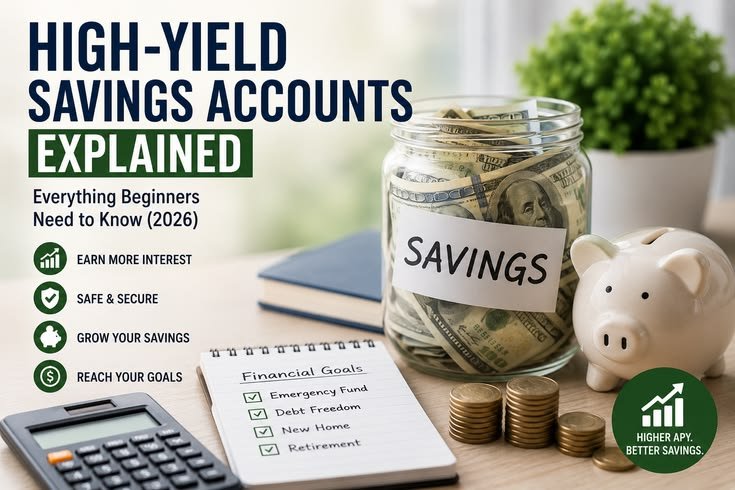
1. Earn Interest With a High-Yield Savings Account
A high-yield savings account is one of the simpler options for people who want their money to earn interest without directly investing in the stock market.
These accounts may offer higher interest rates than traditional savings accounts, although rates can change over time.
How It Works
You deposit money into the account, and the financial institution pays interest according to its terms.
For example, suppose you deposit $1,000 into an account offering a hypothetical 4% annual percentage yield (APY). If the rate remains unchanged for a full year and interest compounds according to the account’s terms, you could earn approximately $40 before taxes.
Your actual earnings will depend on the rate, balance, compounding, and account conditions.
Benefits
- Simple to understand and manage.
- Generally provides convenient access to savings.
- Eligible deposits at FDIC-insured banks are protected within applicable limits.
- Can be useful for emergency savings and short-term goals.
What to Consider
Compare APY, minimum balance requirements, monthly fees, withdrawal conditions, and the institution’s insurance status.
A savings account is not likely to generate substantial income from a small balance, but it can be a useful starting point.
2. Invest in Dividend-Paying Stocks
Dividend-paying stocks are shares in companies that distribute some of their earnings or other available funds to shareholders.
Investors may receive dividend payments while also benefiting from potential share-price appreciation. However, dividends are not guaranteed, and stock prices can decline.
Getting Started With a Small Amount
Some brokerage accounts offer fractional shares, allowing eligible investors to purchase a portion of a share instead of a whole share.
Before investing, research the company’s financial health, dividend history, payout sustainability, and valuation.
Avoid selecting stocks based only on unusually high dividend yields. A high yield can sometimes signal financial problems or an unsustainable payout.
Important Risks
Dividend income can fluctuate, and a company may reduce or suspend its dividend. Taxes may also apply to dividend payments in a taxable account.
Invest only after considering your financial goals, investment timeline, and ability to tolerate losses.
3. Consider Diversified Dividend ETFs
If researching individual companies feels complicated, you might explore dividend-focused exchange-traded funds (ETFs).
An ETF holds a collection of investments and trades on an exchange. A dividend ETF generally focuses on stocks selected for dividend-related characteristics.
Depending on its holdings, a fund may provide exposure to multiple companies rather than relying on a single stock.
Why Beginners Consider ETFs
- They can provide access to multiple investments through one purchase.
- Some support fractional investing, depending on the brokerage.
- Fund expenses and holdings are disclosed.
- They may simplify portfolio management.
However, diversification does not eliminate risk. Dividend ETFs can lose value, and their distributions can change.
Compare expense ratios, holdings, investment objectives, and historical performance without assuming past results will continue.
4. Create and Sell Digital Products
Creating digital products is another option for building income with a relatively small budget.
Digital products can include downloadable planners, printable worksheets, budgeting templates, educational guides, design resources, and original ebooks.
Unlike physical products, digital files generally do not require inventory or shipping.
How to Start
First, choose a specific audience and identify a problem you can help solve.
For example, you might create:
- A monthly household budgeting spreadsheet.
- A printable meal-planning calendar.
- A small-business expense tracker.
- A study planner for college students.
- An original beginner’s guide to a particular skill.
Create a useful product, check that it works correctly, and publish it through a suitable sales platform.
Can Digital Products Generate Passive Income?
They can generate recurring sales, but results depend on demand, product quality, competition, pricing, and marketing.
You may need to improve the product, answer questions, and update outdated information.
Remember to account for platform fees, refunds, applicable taxes, and the time required to create and promote the product.
5. Start a Niche Website or Blog
A website can potentially generate income through advertising, affiliate marketing, sponsorships, and digital product sales.
For example, a personal finance website might publish educational articles about budgeting, savings accounts, credit scores, and financial planning.
Over time, useful content may attract search traffic and help the website earn revenue.
Ways a Blog Can Make Money
Display advertising: Eligible websites may earn money when visitors view or interact with advertisements, depending on the advertising program’s rules.
Affiliate marketing: Publishers may receive commissions when readers make qualifying purchases through tracked links.
Digital products: A website can sell original guides, templates, or educational resources.
Sponsored content: Companies may pay publishers for clearly disclosed promotional content.
What Beginners Should Know
A blog is not a guaranteed source of passive income. Building traffic can take considerable time, and search rankings, advertising rates, and affiliate commissions may change.
Publish original, useful content and follow the policies of advertising networks and affiliate programs. Avoid misleading earnings claims and copied material.
6. Sell an Online Course
If you have knowledge of a subject, an online course may offer another way to earn income from work completed upfront.
Possible topics include spreadsheet skills, graphic design, photography, writing, software tutorials, or other subjects you understand well.
How to Build a Course
Choose one clear learning outcome. Organize the material into short lessons, provide examples, and create practice activities where appropriate.
You can host the course on a suitable learning platform or sell access through your own website.
Once published, the course may continue generating sales. Nevertheless, students may need support, and the material may require updates.
Avoid teaching subjects outside your expertise or promising students guaranteed financial or professional results.
7. Explore Print-on-Demand Products
Print-on-demand services produce items such as shirts, mugs, tote bags, and posters after a customer places an order.
The provider typically handles production and shipping, while the seller creates or licenses the designs and manages the storefront.
Why It Appeals to Beginners
You may not need to purchase large quantities of inventory upfront. This can reduce some startup costs compared with traditional retail.
However, you still need original designs, product listings, customer service, and marketing.
Competition can be significant, and your profit depends on production costs, platform fees, selling price, returns, and advertising expenses.
Use original artwork or properly licensed assets, and avoid copyrighted characters, trademarks, and designs you do not have permission to sell.
8. Rent Out Assets You Already Own
Another possibility is earning income from an asset you already own and are not using all the time.
Depending on local rules and demand, examples might include a parking space, storage area, camera equipment, or certain tools.
Before renting anything out, consider maintenance, insurance, safety, taxes, and the possibility of damage or loss.
If you rent property, review your lease, local regulations, zoning requirements, and any applicable homeowners association restrictions.
This approach can generate income without purchasing an entirely new asset, although it is not completely hands-off.
9. Consider Bonds and Treasury Securities
Some investors use bonds or U.S. Treasury securities as part of an income-focused financial plan.
Treasury bills, notes, and bonds have different maturities and payment structures. Treasury bills are generally sold at a discount and pay their face value at maturity, while notes and bonds generally pay interest according to their terms.
What to Know Before Investing
Returns depend on the security, purchase price, maturity, and prevailing interest rates. Selling before maturity may result in a gain or loss.
Treasury securities are backed by the full faith and credit of the U.S. government, but inflation can reduce purchasing power. Other bonds, including corporate bonds, have different credit and market risks.
Research the terms and risks before purchasing any security.
10. Use Cashback and Rewards Carefully
Cashback programs and credit card rewards may help reduce certain expenses when used responsibly.
For example, a cashback card may return a percentage of eligible purchases. Some shopping platforms also provide rewards for qualifying transactions.
However, rewards should not be treated as a dependable income source.
Avoid unnecessary purchases just to earn cashback. If a credit card carries a balance, interest charges can exceed the value of the rewards.
Compare annual fees, interest rates, eligibility requirements, and redemption conditions before enrolling.
How Much Money Do You Need to Start?
The amount depends on the method you choose.
| Income idea | Potential starting requirement | Main consideration |
|---|---|---|
| High-yield savings | Depends on account minimums | Variable interest rates |
| Dividend stocks | May be possible with fractional shares | Market risk |
| Dividend ETFs | Depends on price and brokerage features | Fund expenses and market risk |
| Digital products | Time plus potentially low software costs | Demand and marketing |
| Niche blog | Domain, hosting, and content time | Slow and uncertain traffic growth |
| Online course | Time and potentially recording or hosting costs | Course quality and student demand |
| Print-on-demand | Design time and possible platform costs | Competition and margins |
| Renting assets | Depends on assets already owned | Damage, insurance, and maintenance |
These are general examples, not guaranteed minimums. Actual costs vary by provider and business model.
A Simple Plan to Begin Building Passive Income
You do not need to try every method at once. Start with one approach that fits your current finances and abilities.
Step 1: Review Your Budget
Calculate your essential monthly expenses, debt payments, and available savings. Make sure you can cover important obligations before committing money to a new project or investment.
Step 2: Choose One Income Method
If you have savings available, research suitable savings accounts or investments. If you have more time than money, creating a digital product or developing a website may be worth exploring.
Step 3: Start Small
Set a realistic budget and avoid borrowing money for an untested business idea. Test demand before spending heavily on tools, inventory, or advertising.
Step 4: Track Your Results
Record revenue, expenses, time spent, and net profit. For investments, monitor fees, risk exposure, and whether the investment still fits your goals.
Step 5: Improve What Works
Once you have enough information to evaluate your results, improve the method that offers the best balance of cost, effort, risk, and potential return.
Common Passive Income Mistakes to Avoid
Expecting Quick Money
Many online income claims exaggerate how quickly people can earn. Building a reliable source of revenue often requires experimentation and patience.
Ignoring Hidden Costs
Platform fees, taxes, insurance, maintenance, software subscriptions, and marketing can reduce earnings.
Investing Money You Cannot Afford to Lose
Stock investments and new business ventures can lose money. Keep essential living expenses separate from speculative investments.
Following Every Online Trend
A method that works for someone else may not suit your skills, financial position, or audience. Research each opportunity before committing.
Forgetting About Taxes
Interest, dividends, business income, rental revenue, and other earnings may have tax consequences. U.S. tax treatment depends on the type of income and your circumstances. Consult current IRS guidance or a qualified tax professional when needed.
Frequently Asked Questions
What is the easiest passive income to start with little money?
A high-yield savings account may be relatively straightforward if you already have savings. Creating a digital product may require less financial capital but more time and effort.
Can I earn passive income with $100?
Potentially, yes. You could research savings accounts, eligible fractional investments, or a small digital-product project. The amount you earn, if anything, depends on the method and its risks.
Is passive income taxable in the USA?
Many forms of passive income can be taxable, although rules and exceptions vary. Interest, dividends, rental income, and business earnings may receive different tax treatment.
Can passive income replace a full-time job?
It is possible for some people, but it is not a predictable outcome. Replacing employment income generally requires sufficient, sustainable earnings and careful planning.
Are passive income apps legitimate?
Some are legitimate, while others may involve excessive fees, misleading promises, or outright scams. Research the company, review its terms, and never pay money solely because someone promises guaranteed earnings.
What is the best passive income idea for beginners?
There is no single best option for everyone. People with savings may prefer researching interest-bearing accounts or diversified investments, while people with useful skills may prefer digital products or online content.
How long does it take to earn passive income?
It varies widely. Savings interest may begin accruing quickly, while a blog, course, or digital-product business may take months or longer to develop meaningful sales.
Final Thoughts
Building passive income with little money in 2026 is possible, but it usually requires a combination of planning, patience, and realistic expectations.
For people who already have savings, interest-bearing accounts and carefully researched investments may be worth considering. Those with more time or creative skills might explore blogging, digital products, online courses, or print-on-demand businesses.
The best starting point is not necessarily the method promising the highest return. It is the approach you understand, can afford, and are willing to maintain.
Start small, track your results, learn from your experience, and avoid opportunities that promise guaranteed profits.
Financial disclaimer: This article is for educational purposes only and is not individualized financial, investment, tax, or legal advice. Investments and business ventures involve risks, and income is not guaranteed. Review official information and consult qualified professionals when appropriate.